
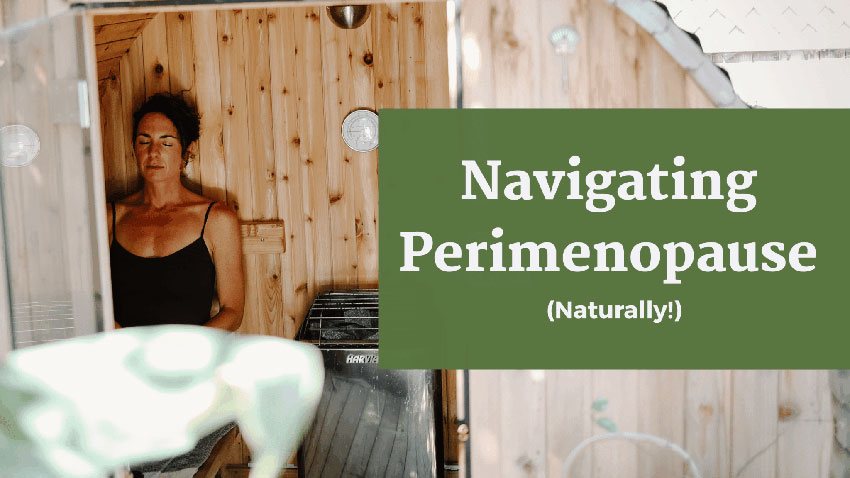
If you’re in perimenopause, chances are you’ve been bombarded with advice.
Start HRT.
Don’t start HRT.
Fix your hormones with supplements.
Avoid supplements entirely.
It’s a lot to hold, especially when your body already feels unfamiliar. No wonder so many women feel stuck, overwhelmed, or afraid of making the “wrong” choice.
Let’s start here. Your body is not broken. It is in transition. And a body in transition needs support and care, whether you choose Hormone Replacement Therapy or not.
Perimenopause is not something to fix or push through. It’s a phase of change, and the goal isn’t to force your body back to how it used to function, but to support how it’s changing now.
You don’t need to overhaul your life to feel better. Small, research-backed shifts in nutrition, movement, sleep, and stress regulation can create meaningful change. These foundations help calm the nervous system, stabilize blood sugar, support digestion, and give your hormones the environment they need to rebalance as best they can.
I work with midlife women who are exhausted from pushing through hormonal changes, digestive issues, and constant overwhelm, even though they’re eating well, exercising, and trying to do everything “right.” My approach is to work with the body, not against it, and to create enough safety and steadiness for healing to actually happen.
Below, I’m sharing six simple, research-backed ways to support your body during perimenopause, whether or not HRT is part of your journey.
1. Support Your Gut for Better Hormone Balance
Your gut plays a key role in processing estrogen and regulating inflammation. If your gut becomes compromised, symptoms such as bloating, joint pain, mood swings, and hormonal imbalances may worsen.
Ways to support your gut:
- Fermented Foods (like sauerkraut, yogurt, or kefir)
- Fiber-rich vegetables (aim for ~25g of fiber per day)
- Prebiotic foods (such as garlic, onions, and leeks)
A happy gut = smoother hormone metabolism and less inflammation
2. Use Heat Therapy to Support Heart Health & Inflammation
Hot flashes, sluggishness, and cardiovascular concerns often become more noticeable during perimenopause. Regular sauna use has been shown to improve circulation, reduce inflammation, and support heart health — all of which are especially important during this stage of life.
Try:
- 2–4 sauna sessions per week (10–20 minutes each)
- Staying well-hydrated and replenishing electrolytes
- Using the sauna on rest days, not right after an intense workout
Sweating isn’t just about detox — it’s about resilience and circulation.
3. Build Muscle to Support Metabolism, Bones, & Hormones
Muscle loss accelerates in midlife, impacting metabolism, blood sugar regulation, and bone density. Strength training is one of the most powerful tools you have to protect your health now and in the long term.
Focus on:
- Strength training 2–3 times per week
- Eating adequate protein (around ~90g per day for many women)
- Consistency over intensity — it doesn’t need to be extreme
Muscle is not about aesthetics.
It’s about energy, strength, and hormone support.
4. Eat to Support (Not Stress) Your Hormones
What you eat — and drink — can either ease hormone fluctuations or make symptoms worse. Certain foods provide gentle phytoestrogen support and help stabilize mood and energy.
Hormone-supportive foods:
- Fermented soy (tempeh, miso)
- Ground flaxseeds
- Lentils and sesame seeds
- Leafy greens and pumpkin seeds
- Adaptogens like maca or ashwagandha
Try cutting back on:
- Alcohol
- Sugar and ultra-processed foods
- Chronic stress (yes, it counts)
Small dietary shifts can bring meaningful relief.
5. Prioritize Sleep to Balance Cortisol & Mood
Hormonal shifts can disrupt sleep and increase anxiety, making it harder for your nervous system to reset. Supporting sleep helps regulate cortisol, improve mood, and restore energy.
Try:
- Getting 10–20 minutes of morning sunlight
- Creating a calming nighttime routine
- Keeping your sleep space cool, dark, and screen-free
- Exploring supplements like magnesium, L-theanine, or glycine
- Ditching alcohol — it disrupts sleep more than you think!
Better sleep supports better hormones, mood, and energy.
6. Stop Chasing Advice – Create a Plan
There’s a lot of noise out there. What you don’t need is more random advice — you need a plan that works for your body, lifestyle, and goals.
Whether you choose HRT or not, this phase of life requires a different kind of support. You can’t solve everything with a pill — but small, intentional lifestyle shifts can make a big difference.
You’re NOT Alone
Feeling overwhelmed by all the conflicting advice about perimenopause or HRT?
You’re not alone — and you don’t have to navigate this on your own. Whether you’re considering hormone therapy or holding off for now, your body still needs daily support. And the truth is, small shifts in food, movement, sleep, and stress can create powerful ripple effects.
By following these 6 simple ways to support your body during perimenopause, you can help reduce:
- Hot flashes
- Mood swings
- Weight gain
- Low energy
- Poor sleep
You deserve support that makes sense — and works with your life.
Hormone testing helps you understand how your body functions, so you can make choices that actually align with who you are. Take control of your health journey with information that matters.
For more information or help with hormone testing, book a Wellness Clarity Call.